Stabilizing Land That's Losing Soil Every Season
Erosion Control and Landscaping in Williamson for properties with drainage problems, unstable slopes, or soil loss that worsens after heavy rain
Erosion shows up as gullies cutting across yards, exposed tree roots on slopes, or sediment piling up at the base of hills after every storm. The problem isn't just cosmetic—ongoing soil loss destabilizes the land, undermines structures, clogs drainage systems, and reduces the usable area of the property. Erosion control work addresses the underlying causes by redirecting water flow, reinforcing vulnerable areas, and establishing vegetation or structural barriers that hold soil in place. The goal is to stop further degradation and restore stability so the land can support its intended use without continuous maintenance.
Jason Scott Grading and Clearing provides erosion control solutions across Williamson, where rolling terrain and clay soils make properties vulnerable to runoff damage. Rain events in Georgia can be intense and concentrated, sending large volumes of water downslope in a short time. Without proper grading or drainage infrastructure, that water carves channels, washes away topsoil, and deposits sediment in unwanted locations. The service also includes landscaping that improves both function and appearance—grading for better drainage, shaping berms to redirect flow, and establishing ground cover that protects exposed soil.
Schedule a property evaluation to identify erosion patterns, drainage deficiencies, and areas requiring stabilization before the next storm season.
Why Erosion Happens and How to Stop It
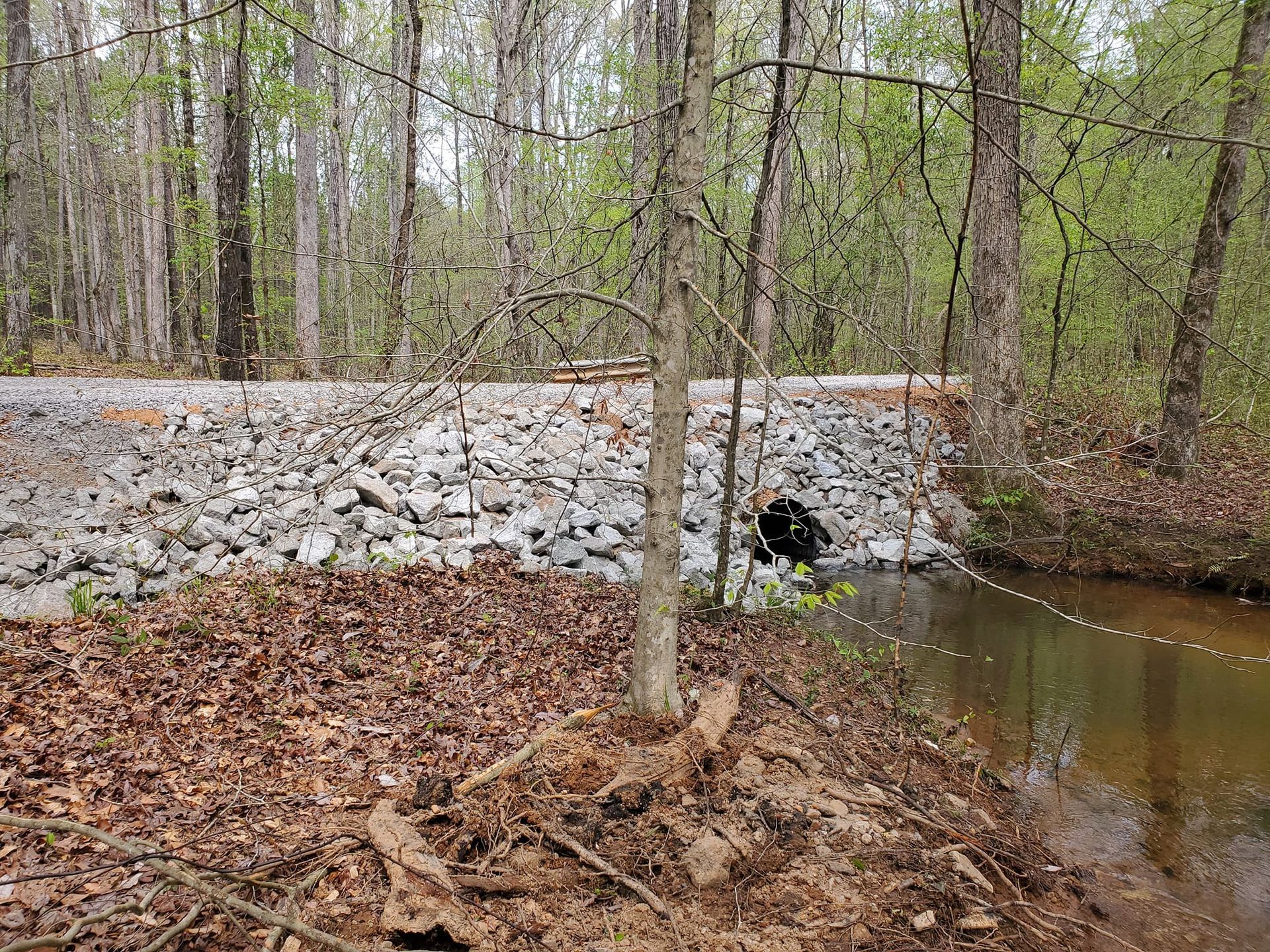
Erosion control starts with understanding where water enters the property, how it moves across the surface, and where it concentrates enough to scour soil. Solutions may include grading to reduce slope angles, installing swales or berms to redirect runoff, or placing riprap in channels where water flows heavily. Vegetation plays a role by anchoring soil with root systems, but it only works if plants can establish before the next heavy rain. In areas with active erosion, structural measures often come first to slow water enough for vegetation to take hold.
After erosion control measures are in place, you'll notice that rain no longer carves new channels or expands existing gullies. Water moves in controlled paths rather than sheeting across slopes, and sediment stays on your property instead of washing into ditches, ponds, or neighboring land. The ground feels more stable underfoot, and areas that were previously too steep or unstable for use become accessible again. Landscaping improvements make the property easier to maintain and more visually cohesive, with defined grades and functional green space.
The service addresses both immediate erosion problems and long-term land health. Some properties need aggressive intervention where soil loss is severe, while others benefit from preventive measures before minor issues become major failures. Erosion control doesn't include complex stormwater engineering or large-scale retaining walls, but it does cover the grading, drainage shaping, and soil stabilization that resolve most residential and small commercial erosion issues. Customization depends on site conditions—slope steepness, soil type, vegetation cover, and how water enters the property all influence the approach.
Questions Before Starting Your Project
Property owners in Williamson considering erosion control or landscaping improvements typically ask these questions during the planning phase.
What causes erosion to worsen suddenly on properties that were previously stable?
Changes in land use, removal of vegetation, new construction that alters drainage patterns, or even shifts in regional rainfall intensity can destabilize slopes that held firm for years, triggering rapid soil loss once the balance tips.
How do erosion control solutions prevent future problems?
By redirecting water away from vulnerable areas, reducing flow velocity through grading or barriers, and establishing vegetation that anchors soil, the measures address the forces causing erosion rather than just repairing the damage after it occurs.
When should erosion control work happen relative to other property improvements?
Stabilization should occur before grading for construction, installing driveways, or planting landscaping, since uncontrolled erosion can undermine those improvements and require costly rework if the land isn't stable first.
What visible changes indicate erosion control is working?
Water follows new paths during rain rather than cutting through yards, sediment no longer accumulates in low areas or drainage ditches, and previously bare or gullied areas begin to support vegetation without washing away.
How does soil type around Williamson affect erosion control methods?
Clay soils common in the area compact easily and shed water quickly when saturated, increasing runoff velocity and erosion potential, which means drainage solutions often focus on moving water off slopes before it gains enough speed to scour soil.
Jason Scott Grading and Clearing works on residential and commercial properties throughout Williamson where erosion threatens land usability and long-term property value. Contact the team to walk the site, review drainage conditions, and develop a stabilization plan tailored to your property's specific challenges.