Clearing Hazards After Severe Weather Hits
Emergency Storm Cleanup in Williamson for properties with fallen trees, debris blockages, or storm damage that creates immediate safety risks or prevents access
Storms leave behind more than just downed branches—they block driveways, crush fences, damage roofs, and create hazards from hanging limbs or uprooted trees leaning against structures. Emergency cleanup addresses the urgent problems first: clearing access routes so you can enter and exit the property, removing debris from roofs or power lines when safe to do so, and eliminating immediate dangers that could worsen with additional weather. The work focuses on restoring basic function and safety quickly, not on final landscaping or cosmetic repairs that can wait until after the crisis passes.
Jason Scott Grading and Clearing provides 24/7 storm cleanup response across Williamson, where thunderstorms, high winds, and occasional ice events topple trees and scatter debris across properties. Georgia's mix of hardwoods and pines means storm damage varies—hardwoods uproot in saturated soil, while pines snap mid-trunk under wind load or ice weight. Response time matters because debris left in place can cause secondary damage, block emergency vehicles, or become more dangerous if another storm arrives before cleanup is complete.
Call for emergency cleanup assistance immediately after storm damage occurs and hazards or access problems need resolution.
What Changes After Storm Debris Is Removed
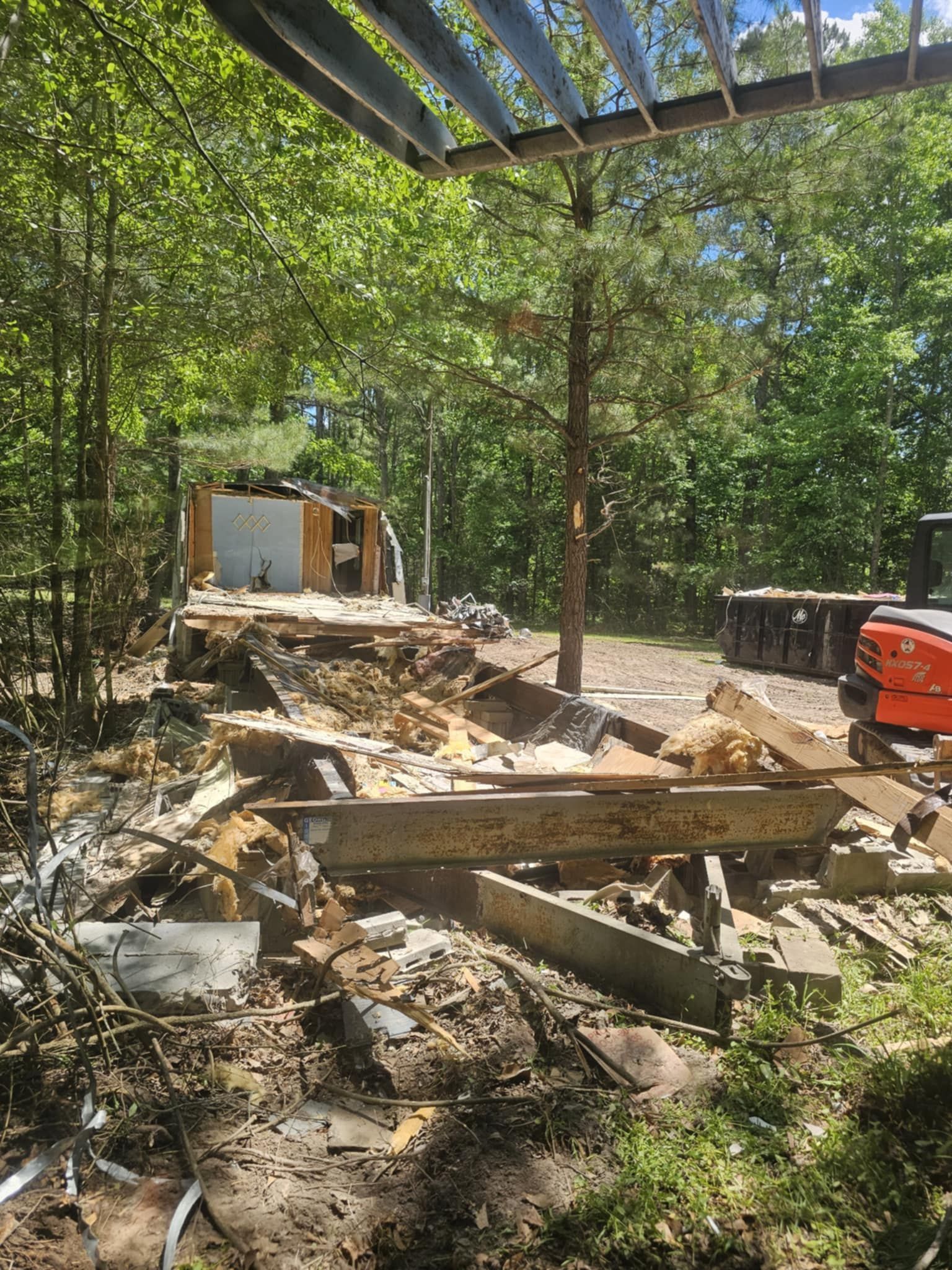
Cleanup begins with assessing which hazards pose the greatest risk and which areas need clearing first to restore access. Fallen trees are sectioned and removed starting with portions blocking critical areas like driveways, doorways, or utility access points. Branches tangled in power lines are left for utility crews unless the power company has confirmed the lines are de-energized. Limited low-impact tree removal handles situations where a tree is split, leaning dangerously, or certain to fail in the next weather event, preventing future emergency calls for the same hazard.
After emergency cleanup, driveways and access routes are passable, immediate threats from unstable trees or heavy debris are eliminated, and you can move around the property without navigating over or around storm wreckage. The cleared debris is hauled away rather than piled on-site, so the property doesn't become a fire hazard or obstruction for weeks while you arrange disposal. You'll notice the difference in both safety and functionality—what was impassable or dangerous becomes navigable and secure, even if cosmetic cleanup or replanting waits for a later phase.
Emergency storm cleanup doesn't include extensive tree trimming, stump grinding, or landscaping restoration, but it does remove the debris that prevents normal property use and creates hazards during high-stress situations. The service operates around the clock because storm damage doesn't wait for business hours, and rapid response reduces the total impact of the event. Properties with extensive damage may require multiple trips or phased cleanup as access improves and additional hazards are uncovered under initial debris layers.
Common Questions About This Service
During and after severe weather events in Williamson, property owners frequently ask these questions when dealing with storm damage.
What qualifies as an emergency cleanup versus routine tree removal?
Emergency cleanup addresses immediate safety hazards, blocked access, or damage that worsens without prompt action, such as trees on structures, blocking roads, or leaning unstably, while routine removal handles healthy trees or non-urgent situations.
How quickly can cleanup crews respond after a major storm?
Response depends on the severity and scope of regional storm damage, but the service prioritizes life-safety situations first, followed by access restoration, with crews working continuously during large-scale events until all calls are addressed.
What should property owners do while waiting for emergency cleanup to arrive?
Stay clear of downed power lines, avoid walking under damaged trees or hanging branches, and document damage with photos for insurance purposes, but do not attempt to remove large debris without proper equipment or training.
How does cleanup handle trees that are split or leaning but not yet fallen?
Limited low-impact tree removal addresses these hazards when they pose imminent risk, using equipment to safely bring down the tree in controlled sections before it falls unpredictably and causes additional damage.
What happens to debris removed during emergency cleanup?
All material is hauled off-site and taken to disposal facilities or processing centers for mulching and recycling, so your property is clear and safe without requiring you to manage piles of branches and logs during an already stressful situation.
Jason Scott Grading and Clearing responds to emergency storm cleanup calls throughout Williamson on residential and commercial properties when severe weather creates urgent safety and access problems. Contact the team at (678) 972-2367 for 24/7 response when storm damage requires immediate attention.