Reclaiming Usable Property from Accumulated Debris
Abandoned Vehicle and Debris Cleanup in Williamson for properties with unwanted vehicles, discarded materials, or accumulated waste that limits how the land can be used
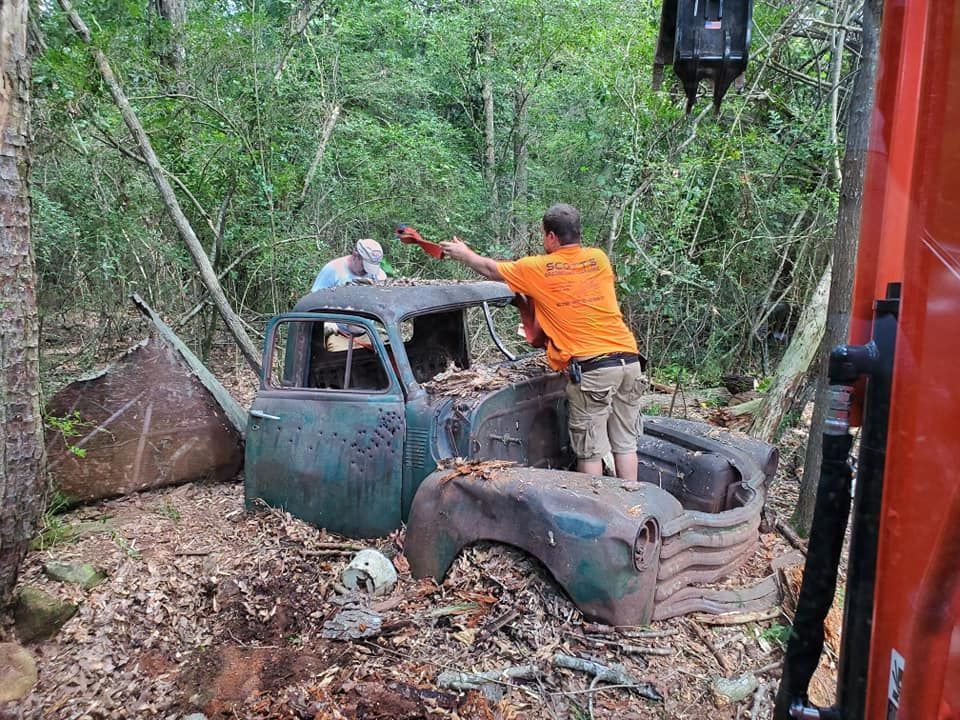
Properties around Williamson sometimes accumulate vehicles that no longer run, construction debris from past projects, or discarded materials that have been dumped or left behind by previous owners. Jason Scott Grading and Clearing removes these materials completely, hauling away everything from rusted-out cars and farm equipment to piles of scrap metal, old tires, and mixed waste. The goal is to return the property to a clean, functional state where you can see the land itself and make decisions about how to use it.
Cleanup involves more than just picking up what's visible on the surface—abandoned vehicles may have fluids that need containment, debris piles often include materials that require sorting for proper disposal, and overgrown areas may hide additional waste underneath. Rural properties in particular tend to have debris spread across multiple locations, sometimes in wooded areas or behind outbuildings where it's been out of sight for years. The removal process accounts for site conditions like soft ground, limited access, or proximity to structures that can't be damaged during hauling.
Request an on-site assessment to identify all materials requiring removal and determine the most efficient access routes for equipment.
How Cleanup Addresses Hidden and Surface-Level Problems
The work starts with identifying everything that needs removal, including materials partially buried or hidden by vegetation. Vehicles are checked for fluids before loading to prevent leaks during transport. Debris gets categorized during removal—metal is separated for scrap recycling, hazardous materials like batteries or chemicals are set aside for specialized disposal, and general waste is hauled to permitted facilities. This sorting reduces disposal costs and keeps prohibited materials out of landfills.
Once cleanup is finished, the property no longer has visual blight or safety hazards from rusted metal, broken glass, or unstable piles. You'll notice cleared sightlines, easier access for mowing or equipment, and the ability to walk the property without navigating around obstacles. If you're preparing land for sale, development, or agricultural use, the cleanup removes barriers that would otherwise delay inspections or site work.
The service handles properties with varying conditions—some have a single abandoned vehicle, while others have decades of accumulation across multiple acres. Jason Scott Grading and Clearing provides the equipment and labor for loading, hauling, and disposal, so you don't need to arrange transport or identify disposal sites yourself. Cleanup doesn't include grading or landscaping, but it does prepare the property for those next steps by removing everything that would interfere with equipment movement or soil work.
Answers to Frequent Service Questions
Property owners in Williamson often have these concerns when planning debris and vehicle removal projects.
What types of vehicles can be removed?
The service handles cars, trucks, trailers, ATVs, farm equipment, and similar vehicles regardless of whether they run or have been stripped for parts, as long as site conditions allow equipment to reach them safely.
How are hazardous materials managed during cleanup?
Items like batteries, fuel tanks, and chemical containers are separated during removal and taken to facilities that accept hazardous waste, preventing contamination of the property or disposal sites.
What happens if debris is partially buried or overgrown?
Excavation equipment uncovers and removes buried materials when necessary, and vegetation is cut back to access debris piles, ensuring nothing is left behind that could interfere with future land use.
When is cleanup most practical for properties being prepared for sale?
Removal should happen before listing or showing the property, since cleared land photographs better, appraises more accurately, and allows buyers to evaluate the usable space without visual distractions from debris.
How does the service handle properties with limited access or rough terrain?
Equipment selection depends on site conditions—smaller machines access tight areas, and staging locations are chosen to minimize ground disturbance, especially important on properties with wet soil or steep slopes common around Williamson.
Jason Scott Grading and Clearing works throughout Williamson on residential, commercial, and rural properties where cleanup is the first step toward making the land functional again. Contact the team to schedule a property evaluation and receive a detailed cleanup plan.